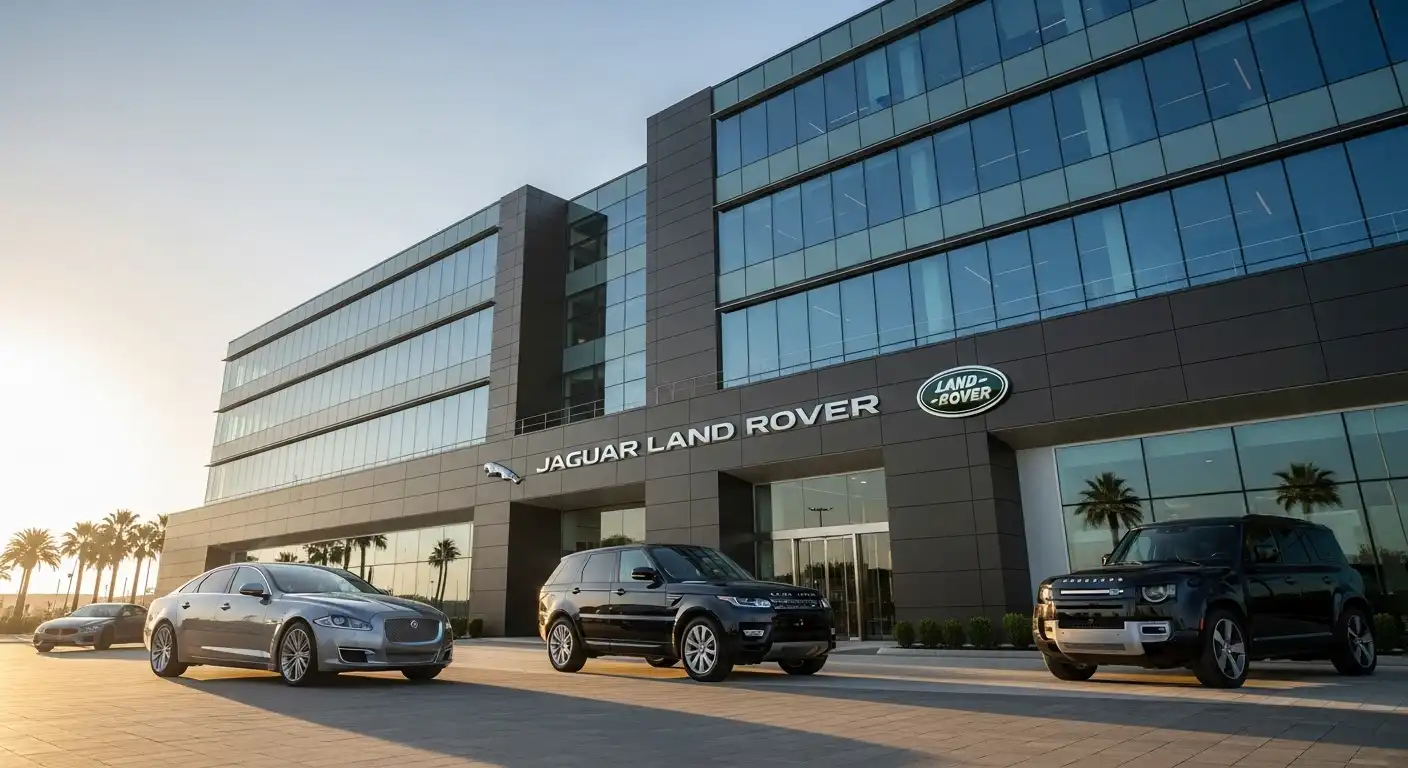
In September 2025, a massive cyberattack crippled the operations of Jaguar Land Rover (JLR), resulting in the lowest UK car production since 1952. The attack has brought the British automaker’s manufacturing to a standstill, costing the UK economy £1.9 billion. This cyberattack highlights the growing vulnerabilities in the automotive sector and the increasing need for robust cybersecurity in the digital age. But how did this attack unfold, and what does it mean for the future of car manufacturing in the UK?
Impact on the UK Car Production Industry
 The ramifications of the Jaguar Land Rover cyberattack extend beyond the company itself. The UK car production industry is facing a significant downturn. According to recent figures, the number of cars produced in the UK in 2025 fell to its lowest level since 1952. This steep decline is largely attributed to the cyberattack, which took down JLR’s manufacturing plants for weeks.
The shutdown of JLR’s factories has had a direct impact on the overall production numbers. The company’s operations, which typically contribute significantly to UK car manufacturing, were completely halted throughout the month of September. The impact of the shutdown is profound, with car production falling by 27% year-on-year. This marked decline in production highlights the vulnerability of the UK automotive sector to cyber threats and external shocks.
Economic Consequences: £1.9 Billion in Losses
The economic toll of the cyberattack is staggering. Industry experts estimate that the disruption has cost the UK economy a total of £1.9 billion. This figure encompasses both direct losses in car production and the knock-on effects felt by suppliers and other manufacturers involved in the automotive supply chain. The damage extends far beyond the walls of Jaguar Land Rover’s factories, affecting thousands of jobs, suppliers, and businesses across the country.
While the cyberattack itself was primarily aimed at JLR’s operations, it has set off a chain reaction that has affected suppliers across the industry. Some estimates suggest that the attack disrupted the production of up to 5,000 other suppliers, leading to a ripple effect throughout the entire UK manufacturing ecosystem.
The Rise of Cyber Threats in the Automotive Sector
 This cyberattack on Jaguar Land Rover is a stark reminder of the growing risks that the automotive sector faces in the age of digitalization. With car manufacturers increasingly relying on connected technologies and automation, the sector has become more vulnerable to cyber threats. Cybercriminals are targeting everything from the design and production of vehicles to the internal systems of major automotive manufacturers.
The automotive industry has already been hit with other high-profile cyberattacks in recent years. However, the attack on Jaguar Land Rover is one of the most significant, as it not only disrupted operations for weeks but also put a spotlight on the security challenges facing automakers worldwide. As more car companies adopt digital tools for everything from supply chain management to vehicle connectivity, they must become more proactive in fortifying their cybersecurity defenses.
JLR’s Response and Recovery
In response to the cyberattack, Jaguar Land Rover has ramped up its cybersecurity measures. The company has hired cybersecurity experts to help assess the full scale of the breach and implement stronger defense systems to protect its operations in the future. JLR has also worked closely with law enforcement and cyber agencies to track down the perpetrators of the attack.
Despite the severe disruption, JLR is optimistic about its ability to recover. The company is working on a comprehensive recovery plan aimed at restoring operations and getting production back on track. However, the road to full recovery will be long and challenging. The automotive sector will need to reassess its approach to cybersecurity to avoid future attacks and mitigate the risks posed by increasingly sophisticated cyber threats.
What This Means for the UK Automotive Industry
The Jaguar Land Rover cyberattack is not just a crisis for the company itself but also a critical moment for the broader UK automotive industry. The attack serves as a wake-up call to all automakers about the importance of cybersecurity. As we enter the era of smart cars and connected vehicles, manufacturers must invest in state-of-the-art security systems to protect against potential cyber threats.
As for the future of UK car production, the JLR cyberattack has highlighted the vulnerability of the industry to disruptions. If the UK is to remain a leader in car manufacturing, it will need to take proactive steps to mitigate risks and safeguard its supply chain from future cyber incidents. Furthermore, this crisis has raised important questions about the resilience of the automotive industry to external shocks. What will happen if other major manufacturers face similar cyberattacks in the future?
For Jaguar Land Rover, recovery will require significant investment and time. But the company’s resilience will be tested as it rebuilds its operations and strengthens its digital security defenses. For the broader UK automotive sector, the focus must shift to long-term solutions to safeguard against cyberattacks and other disruptions that could threaten the industry’s future.
Conclusion: The Road Ahead for UK Car Production
The cyberattack on Jaguar Land Rover has sent shockwaves through the UK automotive industry. With production at its lowest level in over 70 years, the industry faces a long road to recovery. The economic impact of the cyberattack has been severe, with losses estimated at £1.9 billion. But the attack also serves as an urgent reminder that the automotive sector must take cybersecurity seriously to protect against growing threats in the digital age.
As Jaguar Land Rover recovers from this unprecedented crisis, the industry as a whole will need to reevaluate its approach to digital security and ensure that manufacturers are better prepared for future challenges. The lessons learned from this attack will shape the future of UK car production, as automakers work to safeguard their systems and ensure the long-term stability of the sector.
For more insights on the state of the UK car industry, check out our article on the UK Car Industry Faces Crisis Amidst Cyberattack.
FAQs
What caused the Jaguar Land Rover cyberattack?
The Jaguar Land Rover cyberattack was a sophisticated digital assault aimed at disrupting the company’s operations. It caused significant damage to the company’s production lines and disrupted the entire supply chain.
How has the cyberattack affected UK car production?
The attack has led to a sharp decline in UK car production, with figures showing a 27% year-on-year decrease. It has also affected up to 5,000 suppliers in the automotive sector.
What are the long-term impacts of the cyberattack on Jaguar Land Rover?
The long-term impacts are still being assessed, but the company will likely face significant financial losses, operational disruptions, and increased investment in cybersecurity to prevent future attacks.