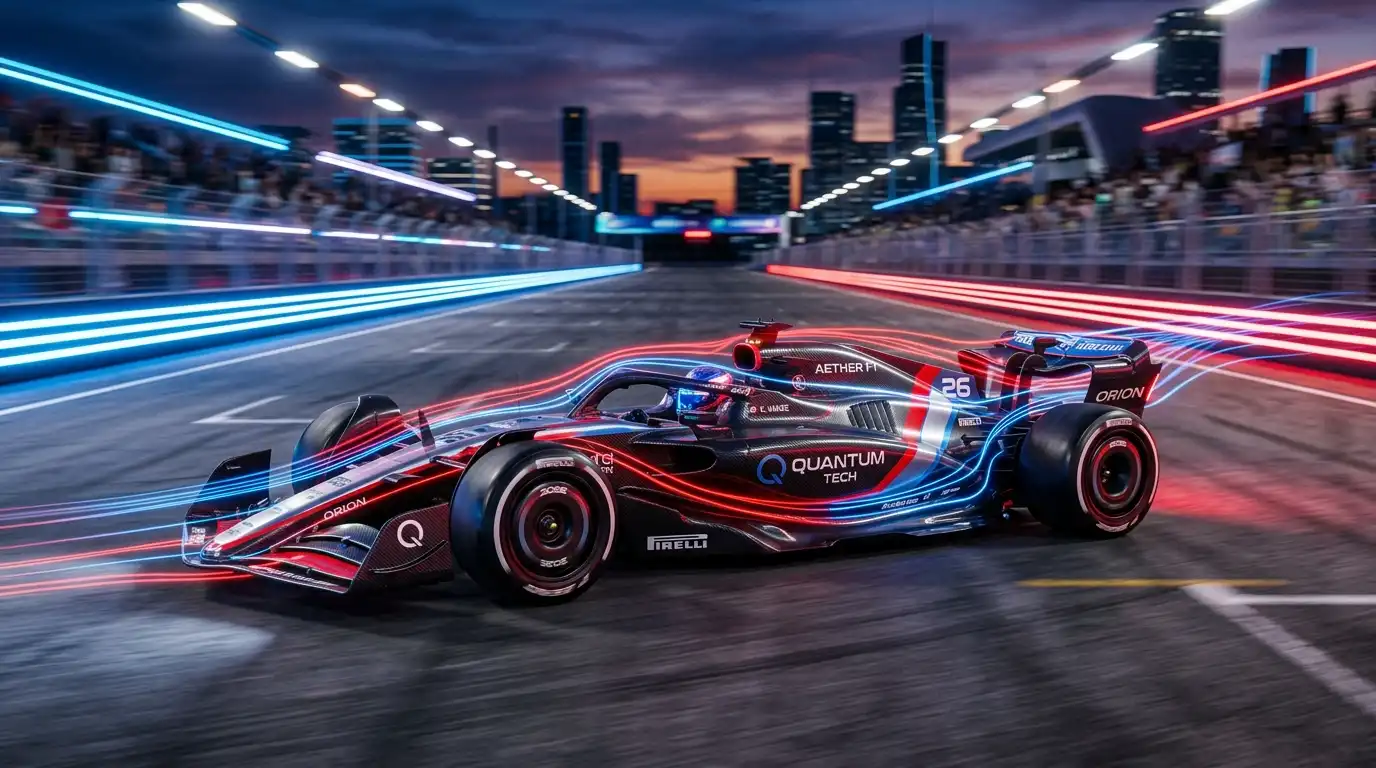
Formula 1 is standing on the precipice of its most radical regulatory transformation in modern history. While much of the early public discourse centered on the engine architecture overhaul—eliminating the complex MGU-H and creating an equal 50/50 power split between the internal combustion engine (ICE) and a 350 kW electric MGU-K—the chassis and aerodynamic rules promise an equally profound shift. The Drag Reduction System (DRS), a mainstay of F1 overtaking tactics since 2011, will officially be retired. In its place comes a dynamic tandem of technology: F1 2026 Active Aero and a high-voltage Manual Override Mode.
Rather than relying on localized flap openings strictly designated for chasing cars, the 2026 framework hands drivers real-time, lap-wide control over their car’s aerodynamic configuration and hybrid energy deployment. This transition fundamentally changes wheel-to-wheel racecraft, battery harvesting strategies, and tire management across every stint.
1. Active Aerodynamics: Straight Mode vs. Corner Mode
Under the updated technical framework published on the official Formula 1 media hub, active aerodynamics will no longer function merely as an isolated overtaking device. Instead, every car on the grid—whether leading, pursuing, or running in clean air—will actively alter its wing geometry throughout every single lap.
The system operates across two primary active states:
- Corner Mode (formerly Z-Mode): The baseline high-downforce configuration. Active flaps on both the three-element front wing and rear wing close down to maximize aerodynamic load, providing the lateral grip required for high-speed cornering and heavy braking stability.
- Straight Mode (formerly X-Mode): The low-drag configuration. Movable flaps on both the front and rear wings open simultaneously on long straightaways. This dual-wing activation reduces overall car downforce by approximately 30% and trims aerodynamic drag by up to 55%.
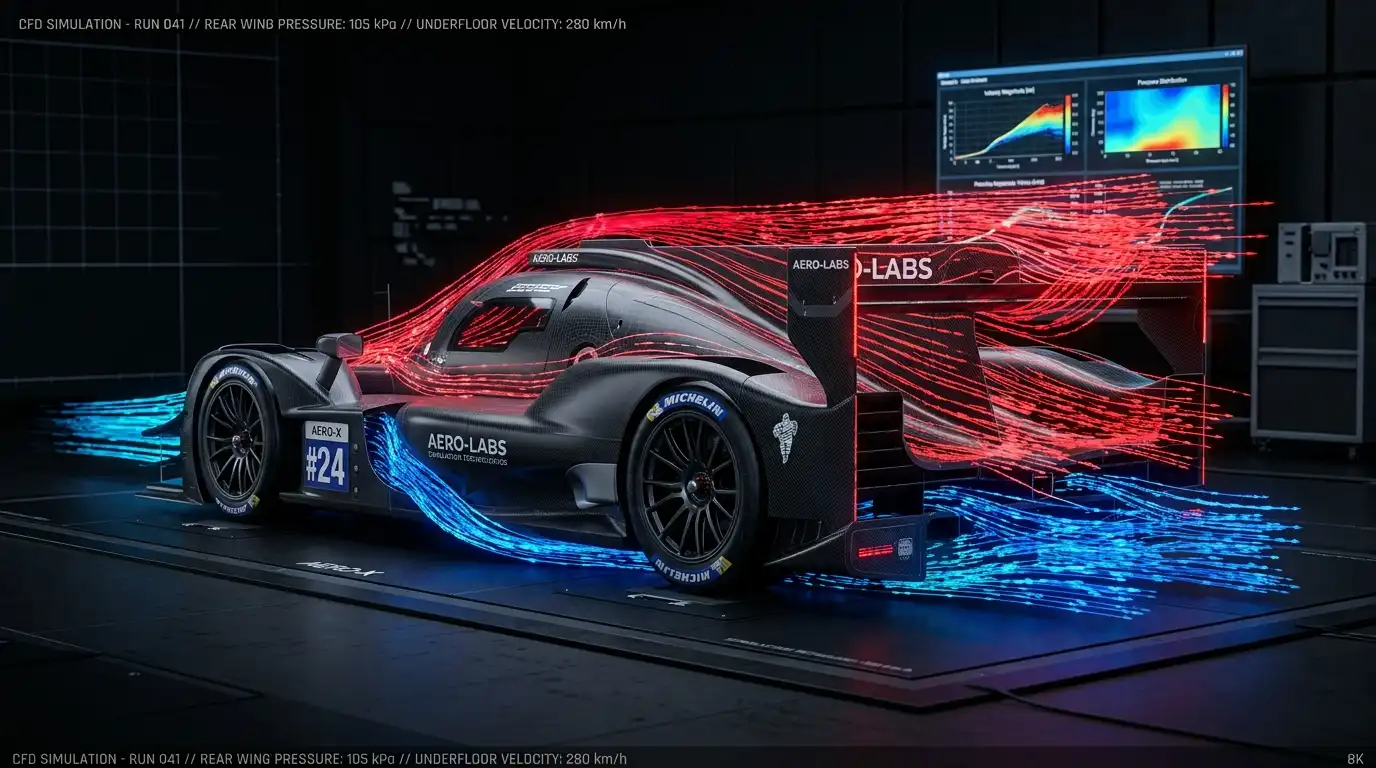
Simultaneous adjustment of both front and rear wings is critical. Opening only the rear wing at maximum speed would severely shift the car’s center of pressure backward, creating dangerous high-speed front-end instability. By shedding drag equally across both axles, the 2026 machines can achieve higher top speeds on straightaways while drastically minimizing fuel burn and battery energy drain.
2. Replacing DRS: How Manual Override Mode Works
Because every car can shed drag on straightaways in Straight Mode, traditional DRS alone would no longer create a sufficient speed delta for overtaking. To ensure wheel-to-wheel battles remain dynamic, the FIA introduced **Manual Override Mode** (frequently referred to in broadcast context as *Overtake Mode*).
While traditional DRS modified bodywork to gain speed, Manual Override operates entirely within the hybrid powertrain’s energy deployment curve. Detailed engineering guidelines analyzed on the Williams F1 technical analysis page illustrate how electrical energy delivery curves diverge between leading and pursuing cars:
| Performance Variable | Leading Car (Standard Deployment) | Chasing Car (Manual Override Active) |
|---|---|---|
| Trigger Condition | Standard lap energy strategy | Within 1.0 second of car ahead at detection point |
| MGU-K Maximum Output | 350 kW (~470 hp) baseline | 350 kW (~470 hp) sustained boost |
| Energy Taper Threshold | Deployment tapers off above 290 km/h | Sustains full 350 kW up to 337 km/h |
| Energy Harvest Limit | Up to 8.5 MJ per lap braking recovery | Expends stored reserves to complete pass |
As the leading car accelerates past 290 km/h down a long straightaway, its hybrid software automatically scales back electrical deployment to prevent total battery exhaustion before the end of the lap. However, if the trailing car is within one second at the detection line, Manual Override allows the driver to override this tapering effect, dumping maximum electrical power all the way up to 337 km/h to complete the pass.
3. Tactical Battery Management and “Straight-Line Clipping”
The jump in electric power—from 120 kW under current rules to 350 kW in 2026—means that battery management becomes a defining factor in race outcomes. Because the combustion engine output drops to around 400 kW, cars that run out of electrical energy mid-straight will suffer severe top-speed drop-offs, commonly known as “straight-line clipping”.
Drivers and race engineers must balance several conflicting priorities during every stint:
- Harvesting vs. Defending: A defending driver who expends all available energy staying ahead down the main straight will arrive at the next braking zone with a depleted battery, leaving them defenseless on subsequent straights.
- Lift-and-Coast Phase Management: To recharge the battery up to the 8.5 MJ per lap limit, drivers will engage in targeted lift-and-coast techniques, partial throttle maneuvers, and aggressive braking regeneration.
- Aerodynamic Drag Compromises: Toggling into Straight Mode early on a straightaway saves battery power by reducing aerodynamic resistance, but toggling back to Corner Mode too late compromises braking stability and corner entry speeds.
4. Driver Workload and Cockpit Ergonomics
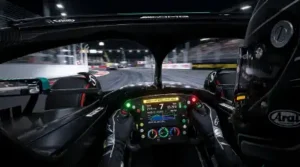
With the elimination of auto-regulating DRS zones, cockpit ergonomics will undergo a major redesign. Drivers must physically manage active wing mode switches alongside Manual Override deployment buttons while simultaneously adjusting brake balance and differential settings.
Failing to engage Corner Mode before a heavy braking zone could lead to severe lock-ups or high-speed spins due to a sudden lack of rear downforce. Steering wheel layouts will feature prominent tactile toggles and multi-stage shift lights to help drivers manage aerodynamic transitions without taking their focus off the circuit.
5. Impact on Circuit Strategy and Overtaking Dynamics
The combination of active aero and electrical boost rules fundamentally alters how race engineers approach track-specific setups. On circuits with long straights like Baku, Monza, or Las Vegas, teams must decide whether to configure their baseline setups for extreme cornering downforce or lean heavily on low-drag efficiency to minimize energy consumption.
Furthermore, because Manual Override relies on stored electrical reserves rather than purely aerodynamic drag reduction, overtaking will no longer be limited to static, pre-designated DRS zones on the circuit. Drivers can choose precisely *where* along a lap to dump their extra 350 kW boost—whether attacking out of a slow hairpin or launching a surprise move down an unexpected back straightaway.
A Bold New Era of Driver-Centric Motorsport
The introduction of F1 2026 Active Aero and Manual Override Mode represents a paradigm shift for Formula 1. By replacing static DRS wing flaps with active, whole-car aerodynamic control and dynamic hybrid power delivery, the FIA has shifted the balance of performance back toward real-time driver decision-making.
Success in 2026 will require far more than simply having the fastest car over a single lap. The drivers and teams who master the delicate balance between active aerodynamic load, battery energy conservation, and tactical deployment will ultimately dominate this high-tech chapter of motorsport history.