The Physics of Active Aero: Z-Mode vs. X-Mode
Under the revised technical blueprint, traditional single-element Drag Reduction Systems (DRS) have been replaced by a comprehensive, full-car active aerodynamic model. Because the updated power units rely heavily on electrical energy deployment that tapers off at high speeds, cars require drastically lower aerodynamic drag on straightaways to maintain high top speeds.
To achieve this, cars operate across two primary dynamic states:
- Z-Mode (High Downforce): The default configuration used through cornering sections. Both front and rear wing flaps remain steep to maximize cornering grip, tire load, and braking stability.
- X-Mode (Low Drag): Activated on designated straightaway zones. The front and rear wing elements adjust simultaneously to flatten out, shedding up to 55% of total aerodynamic drag and allowing the car to reach top speeds without over-draining its battery reserve.
Aerodynamic Instability: The Root of the Controversy
While the concept of shedding drag on straights appears straightforward, real-world simulations revealed immediate technical complications. Early driver-in-the-loop simulator runs highlighted severe pitch-sensitivity issues when transitioning between Z-Mode and X-Mode.
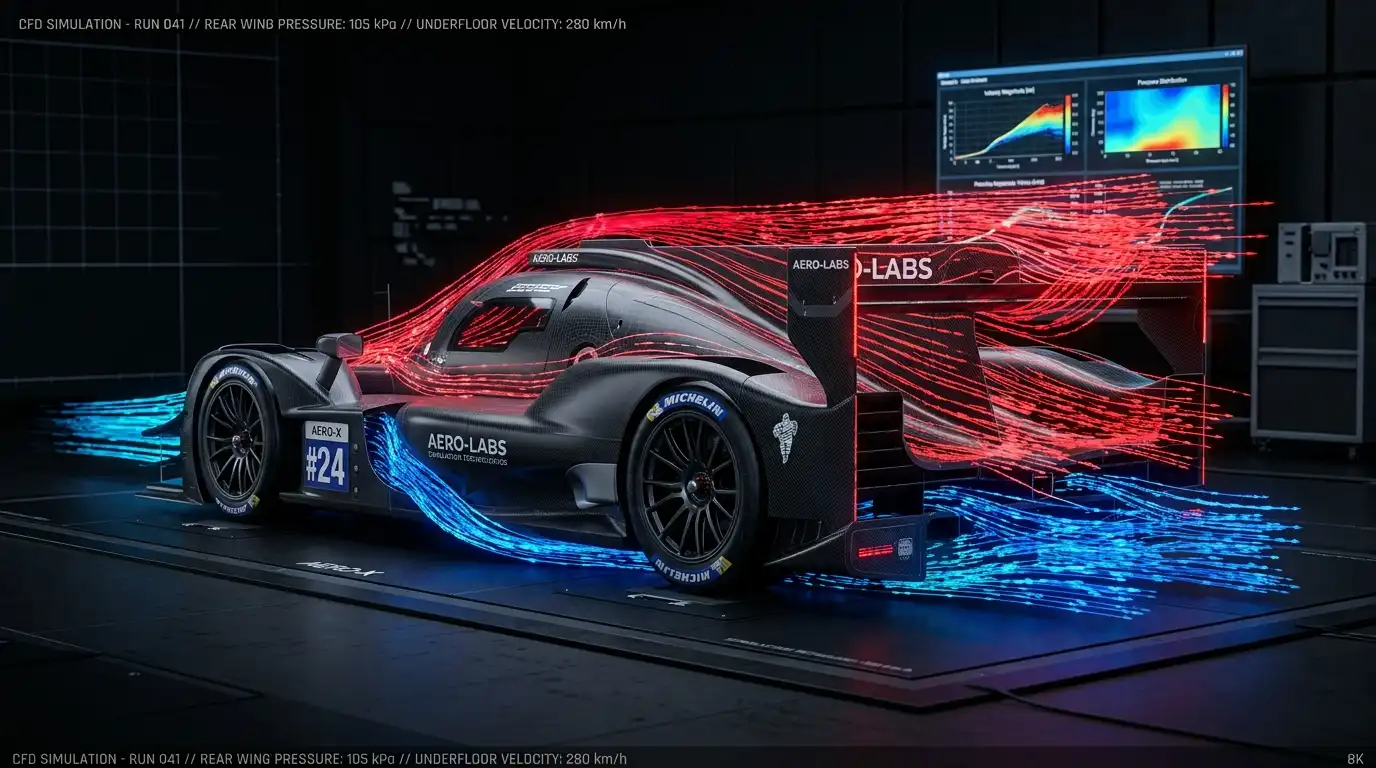
When a car sheds significant rear downforce while entering X-Mode, the center of pressure shifts rapidly forward. If the front wing does not shed downforce in perfect synchronization with the rear wing, the sudden aero imbalance can cause severe rear-end instability, snap oversteer, or abrupt floor pitch changes. On high-speed, street circuits with tight margins—such as Monaco—governing bodies have even restricted active aero straight modes entirely due to safety concerns over traction and braking stability.
The Case for Re-Introducing Active Suspension
To solve the instability caused by active aero, several team engineers and technical directors have advocated for a return to active suspension systems—which have been strictly banned in Formula 1 since 1994.
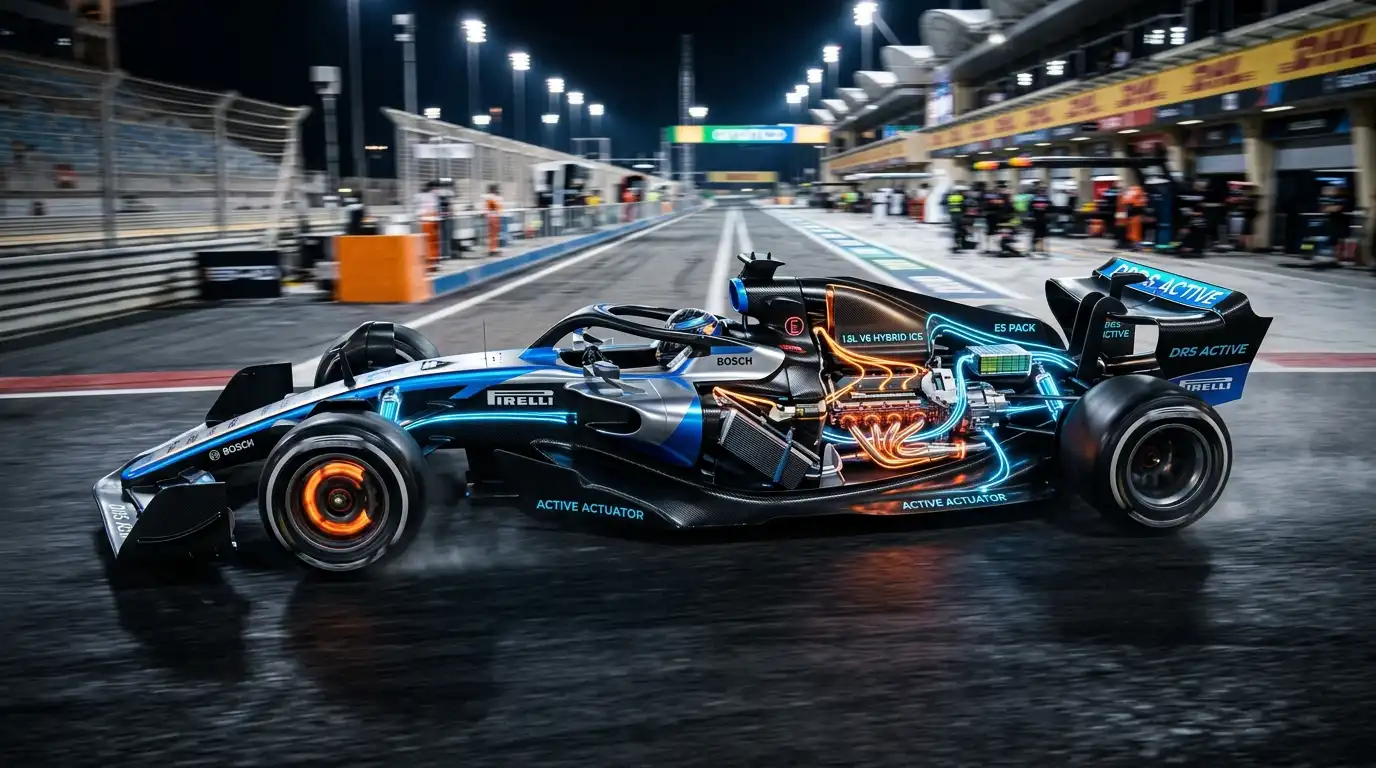
Unlike passive mechanical springs, torsion bars, and hydraulic dampers, an active suspension system relies on electronically controlled actuators at each wheel to continuously adjust ride height, roll, and pitch in real time. Supporters argue that active suspension offers clear technical solutions:
- Ride Height Stabilization: Keeps the floor at an optimal ground-effect height during sudden downforce shifts between Z-Mode and X-Mode.
- Porpoising Elimination: Prevents high-speed floor bouncing and aerodynamic stalling without requiring teams to raise ride heights and sacrifice performance.
- Cost and Weight Reductions: Replaces overly complex, expensive passive mechanical heave dampers with streamlined, standardized electronic actuators.
Arguments Against Active Suspension: Cost & Homogenization

Despite its performance advantages, opposing teams and regulators remain cautious about legalizing active suspension. Opponents cite significant potential drawbacks:
- Development Cost Escalation: Designing complex active suspension software and hydraulic/electronic actuators could trigger a costly development race under the financial cost cap.
- Reduced Mechanical Differentiation: Standardizing suspension electronics risks removing a key area where top chassis engineers differentiate their car designs.
- System Reliability and Safety Failures: A sudden electronic failure in an active suspension system at 330 km/h presents severe safety hazards if the car bottoms out instantly.
The Future Outlook for F1 Chassis Design
The debate surrounding active aerodynamics and active suspension highlights the delicate balance Formula 1 must maintain between hybrid energy management, driver safety, and pure racing performance. As teams refine their active aero control algorithms and physical wing setups, mastering the transition between low-drag and high-downforce states will define the next generation of Grand Prix dominance.